Eczema and Atopic Dermatitis Causes Skin Barrier Inflammation and Gut Health
Eczema is often treated like a surface problem, but the itch, redness, scaling, and flares usually start with a deeper mix of biology and environment. Atopic dermatitis, the most common form of eczema, is not caused by one thing. It develops when the skin barrier, immune system, microbes, genes, and daily exposures all interact.
That is why one person flares after winter weather, another after sweating, and another during a stressful week with poor sleep. The skin is reacting, but the trigger often involves more than the skin alone.
This article is for general education and does not replace medical care. Persistent, infected, painful, or widespread eczema should be evaluated by a dermatologist or qualified clinician.
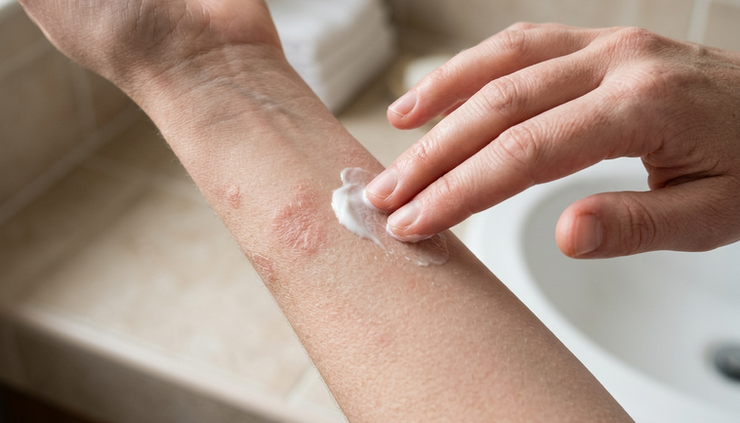
Eczema and atopic dermatitis are related, but not identical
Eczema is a broad term for inflammatory skin conditions that cause itching, dryness, redness, and irritation. Atopic dermatitis is one type of eczema, and it often starts in childhood, although adults can develop it too.
Atopic dermatitis tends to run in families with asthma, allergic rhinitis, or food allergies. This pattern is called “atopy.” Still, genetics do not tell the whole story. Many people with a family history never develop severe skin disease, while others without a clear family history do.
Researchers now describe atopic dermatitis as a condition with several overlapping drivers:
Root contributor | What it does |
Skin barrier weakness | Allows water loss and easier entry of irritants, allergens, and microbes |
Immune system overactivity | Fuels redness, swelling, itching, and long-lasting inflammation |
Environmental exposures | Trigger or worsen flares through heat, allergens, chemicals, smoke, and dry air |
Microbiome changes | Affect the balance of bacteria on the skin and in the gut |
Genetics | Shape barrier proteins, immune responses, and allergy risk |
The key point is simple: eczema is not a hygiene problem, and it is not caused by “bad skin care.” It is a real inflammatory condition with several possible roots.
The skin barrier is the first line of defense
The skin barrier works like a brick wall. Skin cells are the bricks. Lipids, including ceramides, cholesterol, and fatty acids, act like mortar between them. When this wall is healthy, it keeps moisture in and irritants out.
In atopic dermatitis, that wall often has weak spots.
One of the best-known genetic links involves filaggrin, a protein that helps skin cells mature and hold water. Some people have changes in the gene that makes filaggrin, which can increase the risk of dry, fragile, reactive skin. Not everyone with atopic dermatitis has a filaggrin gene change, but this discovery helped shift expert thinking. Eczema is not only an allergic condition. It is also a barrier condition.
When the barrier is impaired, several things can happen:
Water escapes more easily, which increases dryness and tightness.
Irritants from soaps, detergents, and fragrances penetrate more easily.
Allergens such as pollen, dust mite particles, and pet dander can interact with immune cells in the skin.
Bacteria, especially Staphylococcus aureus, can become more dominant on the skin.
Itching causes scratching, which further damages the barrier.
This creates the classic itch-scratch cycle. A patch itches, scratching gives brief relief, the skin barrier breaks further, inflammation rises, and the itch returns stronger.
Dermatology guidelines consistently place barrier repair at the center of eczema care because moisturized, protected skin is less likely to flare.
Practical ways to support the skin barrier
Barrier care is not glamorous, but it is one of the most evidence-supported parts of eczema management.
Try these basics:
Use a thick, fragrance-free moisturizer
Ointments and creams usually protect better than lotions. Apply at least once daily, and always after bathing.
Keep showers short and lukewarm
Hot water strips lipids from the skin and can worsen itching.
Apply moisturizer while skin is still damp
This helps trap water before it evaporates.
Choose gentle cleansers
Look for fragrance-free, dye-free options. Avoid harsh scrubs and deodorant soaps on eczema-prone skin.
Protect hands
Use gloves for dishwashing, cleaning, or frequent contact with water. Add cotton liners if sweating inside gloves becomes a problem.
For many people, these steps reduce both flare frequency and treatment needs. They do not “cure” atopic dermatitis, but they make the skin less reactive.
Inflammation turns irritation into a flare
Barrier damage opens the door, but inflammation drives much of the discomfort. Atopic dermatitis involves several immune pathways, especially type 2 inflammation. Immune signals such as interleukin-4 and interleukin-13 help explain why skin becomes itchy, red, sensitive, and thickened over time.
Recent advances in eczema treatment have strengthened this understanding. Newer prescription therapies target specific immune signals or itch pathways, and many patients improve when those pathways calm down. That does not mean everyone needs advanced medication. It does show that eczema is not simply dry skin.
Inflammation also changes the nerves in the skin. This can make the skin feel itchy even with minor irritation. Over time, scratching thickens the skin, a process called lichenification. Thickened skin can itch more, which keeps the cycle going.
Signs inflammation is active
Inflammation may look different depending on skin tone. On lighter skin, eczema often appears pink or red. On deeper skin tones, it may look brown, gray, purple, or darker than the surrounding skin.
Common signs include:
Persistent itching
Rough or scaly patches
Swelling or warmth
Cracking, oozing, or crusting
Skin thickening from scratching
Sleep disruption from nighttime itch
If skin becomes painful, rapidly worsening, honey-crusted, blistered, or accompanied by fever, medical care is needed. Infection can mimic or worsen eczema.
Environmental exposures can push vulnerable skin over the edge
People often search for one trigger, but eczema usually responds to a “trigger load.” One exposure may be tolerable. Several at the same time can cause a flare.
For example, dry winter air plus a fragranced detergent plus hot showers may overwhelm the skin barrier. In summer, sweat plus sunscreen plus pollen may do the same.
Common environmental contributors include:
Low humidity and cold weather
Heat and sweating
Fragrance in skin care, laundry products, and candles
Harsh soaps and cleaning products
Wool or rough synthetic fabrics
Dust mites
Pollen and mold
Pet dander
Tobacco smoke and air pollution
Chlorinated pools, especially without rinsing and moisturizing afterward
Environmental triggers do not always cause atopic dermatitis by themselves. They often worsen a person’s existing tendency toward barrier weakness and inflammation.

How to identify triggers without over-restricting life
A trigger diary can help, but it should be simple. Track flares for two to four weeks, including:
Weather changes
New skin care or laundry products
Sweating or exercise
Stress and sleep quality
Menstrual cycle changes, if relevant
Foods that seem clearly linked to symptoms
Exposure to pets, dust, pollen, or smoke
Patterns matter more than single events. If a food, product, or exposure seems involved once, that does not prove it is a root cause.
Patch testing may help when allergic contact dermatitis is suspected. This is different from standard allergy testing. A dermatologist can test for delayed skin reactions to ingredients such as preservatives, fragrances, metals, and topical medication components.
The skin microbiome plays a major role
Healthy skin hosts many bacteria, fungi, and other microbes. These organisms help train the immune system and keep harmful microbes in check.
In atopic dermatitis, the skin microbiome often becomes less diverse during flares. Staphylococcus aureus can increase and release substances that irritate the skin and amplify inflammation. This does not always mean there is an infection needing antibiotics. It means the microbial balance has shifted in a way that can worsen eczema.
This is why barrier repair and inflammation control also help the microbiome. When the skin becomes less cracked and inflamed, it becomes a less welcoming place for problem bacteria.
Some clinicians recommend diluted bleach baths for certain patients with frequent infections or severe flares, but this should be done only with medical guidance. Concentration matters, and bleach is not appropriate for every person or every type of eczema.
Gut health may influence eczema through the gut-skin axis
The gut and skin communicate through the immune system, metabolism, and microbiome. This connection is often called the gut-skin axis.
Research suggests that people with atopic dermatitis may have differences in gut microbial diversity compared with people without eczema. Early-life factors, such as mode of delivery, antibiotic exposure, diet, and infections, may also influence immune development. These findings are especially studied in infants and children, although adult research is growing.
Still, gut health is not a simple switch. A probiotic will not reliably clear eczema for everyone. Studies on probiotics show mixed results, with benefits more likely in some groups than others. Strain, dose, timing, age, and baseline microbiome all seem to matter.
Food is another area where nuance matters. Food allergies can worsen eczema in some children, especially those with moderate to severe atopic dermatitis. But most eczema is not caused by food. Unsupervised elimination diets can lead to nutrient gaps, anxiety around eating, and sometimes no skin improvement.
Gut-supportive habits that make sense
A balanced gut-friendly approach supports overall health without promising a cure.
Helpful habits include:
Eat a variety of fiber-rich foods, such as beans, oats, fruits, vegetables, nuts, and seeds.
Include fermented foods if tolerated, such as yogurt with live cultures, kefir, kimchi, or sauerkraut.
Limit ultra-processed foods when possible, especially if they displace nutrient-rich meals.
Stay hydrated.
Avoid unnecessary antibiotics, while still using them when medically needed.
Discuss probiotics with a clinician, especially for infants, pregnancy, immune conditions, or severe disease.
For suspected food allergy, testing and guidance from an allergist can prevent guesswork. IgE blood or skin testing may help in the right context, but positive tests do not always mean a food is causing eczema symptoms.
Stress, sleep, and hormones can intensify symptoms
Stress does not mean eczema is “all in your head.” Stress changes immune signaling, skin barrier recovery, and itch perception. Poor sleep can do the same, and eczema itself often disrupts sleep. This creates another cycle: itch reduces sleep, poor sleep increases inflammation, and inflammation raises itch.
Hormonal shifts can also affect symptoms. Some people notice flares around menstrual cycles, pregnancy, postpartum changes, perimenopause, or menopause. Sweat, heat, skin dryness, and stress during these times may all contribute.
Practical support includes:
Keeping nails short to reduce skin injury from scratching
Using cotton sleepwear and breathable bedding
Cooling the room at night
Applying moisturizer before bed
Asking a clinician about nighttime itch control if sleep is suffering
Sleep loss is not a minor symptom. For many people with atopic dermatitis, improving sleep is one of the biggest quality-of-life gains.
A practical plan for managing symptoms
The best eczema plan usually combines daily prevention with fast action during flares.
Build a daily baseline routine
Keep it simple:
Bathe or shower with lukewarm water.
Use cleanser only where needed.
Pat skin dry, leaving it slightly damp.
Apply prescription treatment to active patches if directed.
Apply moisturizer generously to the whole eczema-prone area.
Consistency matters more than using many products.
Treat flares early
Once inflammation gets established, it is harder to calm. Many clinicians recommend treating early with prescribed topical steroids, topical calcineurin inhibitors, topical PDE4 inhibitors, JAK inhibitors, or other therapies depending on age, location, severity, and medical history.
Steroid fear is common, but underuse can prolong flares. Overuse can also cause problems. The safest approach is clear instructions from a clinician, including where to apply, how much to use, and when to stop.
Reduce irritant load
A few product changes can make a big difference:
Switch to fragrance-free laundry detergent.
Skip fabric softeners and scented dryer sheets.
Avoid fragranced lotions and essential oils on eczema-prone skin.
Wear soft cotton or smooth fabrics against the skin.
Rinse after sweating, then moisturize.
Use a humidifier in dry seasons if indoor air is very dry.
Know when to seek medical help
Get medical guidance if eczema:
Covers large areas
Disrupts sleep
Causes frequent infections
Does not improve with careful home care
Appears around the eyes
Causes significant pain, oozing, crusting, or bleeding
Affects daily activities or mental health
Atopic dermatitis has more treatment options than it did years ago. Dermatologists can now match care more closely to severity and immune pattern, rather than relying on one approach for everyone.
The takeaway
The root causes of eczema and atopic dermatitis sit at the intersection of barrier damage, immune inflammation, environmental triggers, microbes, and sometimes gut health. No single cream, supplement, or diet fixes every case because the condition is not driven by one pathway.
Start with the foundation: protect the skin barrier, reduce irritants, treat inflammation early, and look for patterns without blaming every flare on one trigger. If symptoms persist or sleep suffers, professional care can help identify the right next step. Better control often comes from steady, practical changes repeated over time.
Thrive Healthcare Center offers In-person visits, video appointments, and E-Visits. Schedule your derm consult today!
Comments